
Wisdom and Inspiration from Modern Memoirs Authors
At Modern Memoirs, Inc., we bring our expertise and passion to every phase of the publishing process on behalf of the writers who entrust us with their work. In return, we often learn a great deal from authors about their own interests and expertise. And whether they write about piloting or painting, ballroom dancing or gardening, entrepreneurship or grandparenting, their passions often lead to wisdom and life lessons that transcend specific subjects.
In our new blog series “Bookmark My Words: Wisdom and Inspiration from Modern Memoirs Authors,” we feature compelling excerpts from clients’ books that have stayed with us over time. We then invite these authors to act as “guest bloggers” and offer new commentary on how their outside interests have enriched their lives with purpose and meaning.
This month we feature Dr. Stephen Rostand, whom we asked: “What life lessons or wisdom have you gained from your love of photography?”
Photography as Memoir
By Stephen Rostand

“It is not the change in landscape that is needed, but rather new eyes, and time. And it may not necessarily take a lot of time. Sometimes, simply becoming more aware of one’s surroundings can, in just a few minutes, reveal the humor in life or its beauty, and that instant of sudden insight can bring pleasure and linger in one’s memory, refreshing one’s life.”
—Stephen Rostand, It’s Okay to Play (Modern Memoirs, 2024)
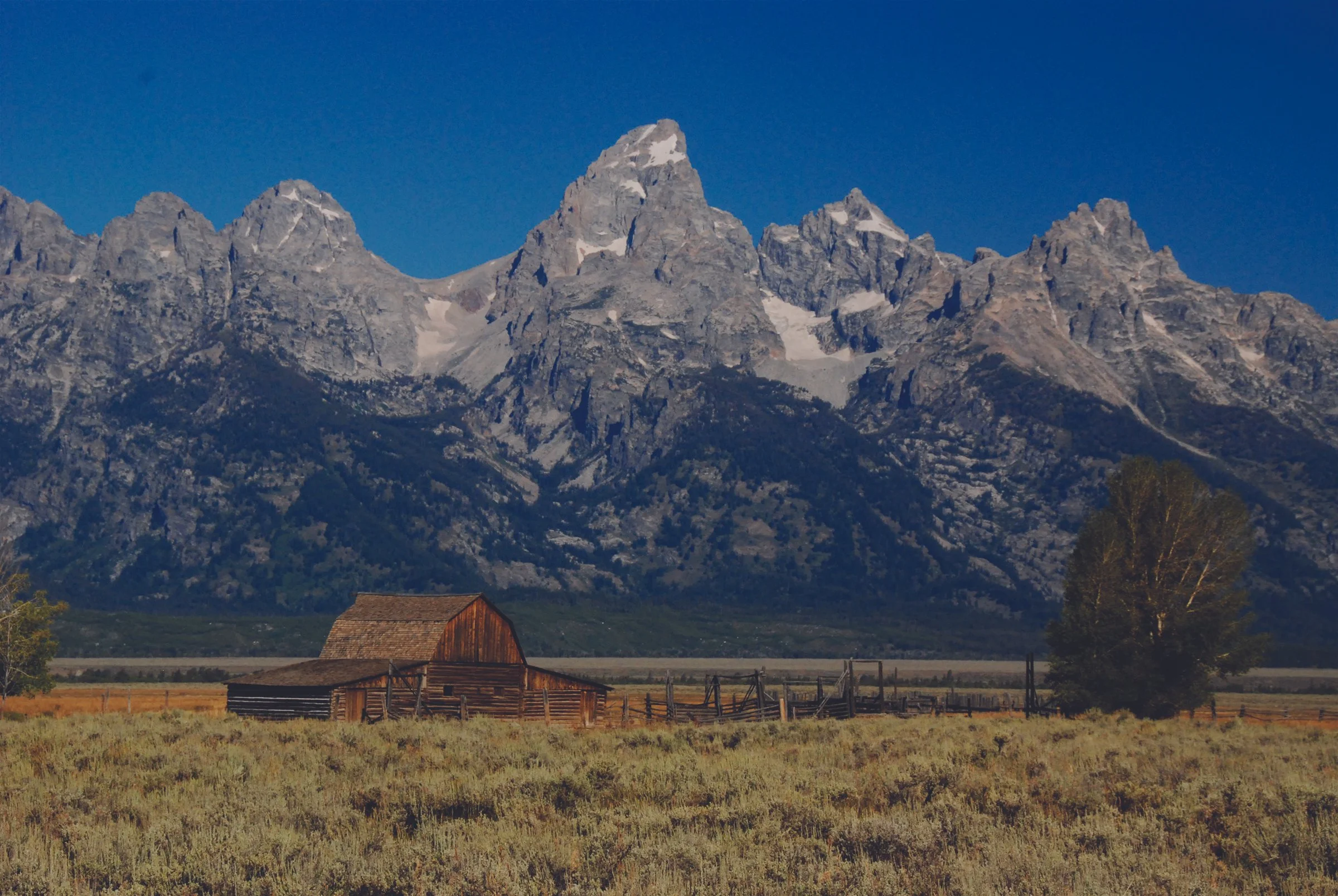
Morning, Grand Teton National Park, Wyoming © 2024 Stephen Rostand
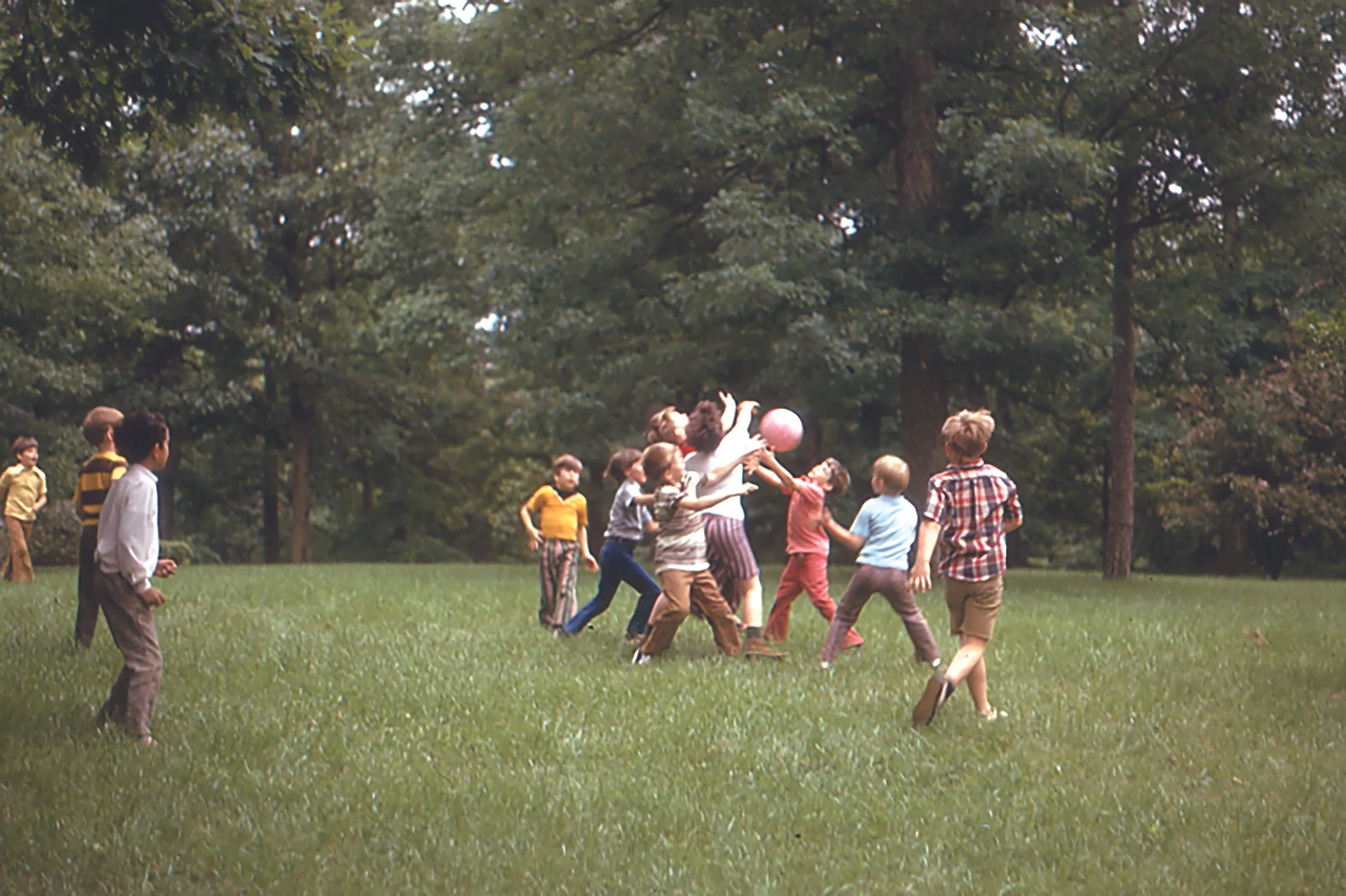
Play, Durham, North Carolina © 2024 Stephen Rostand
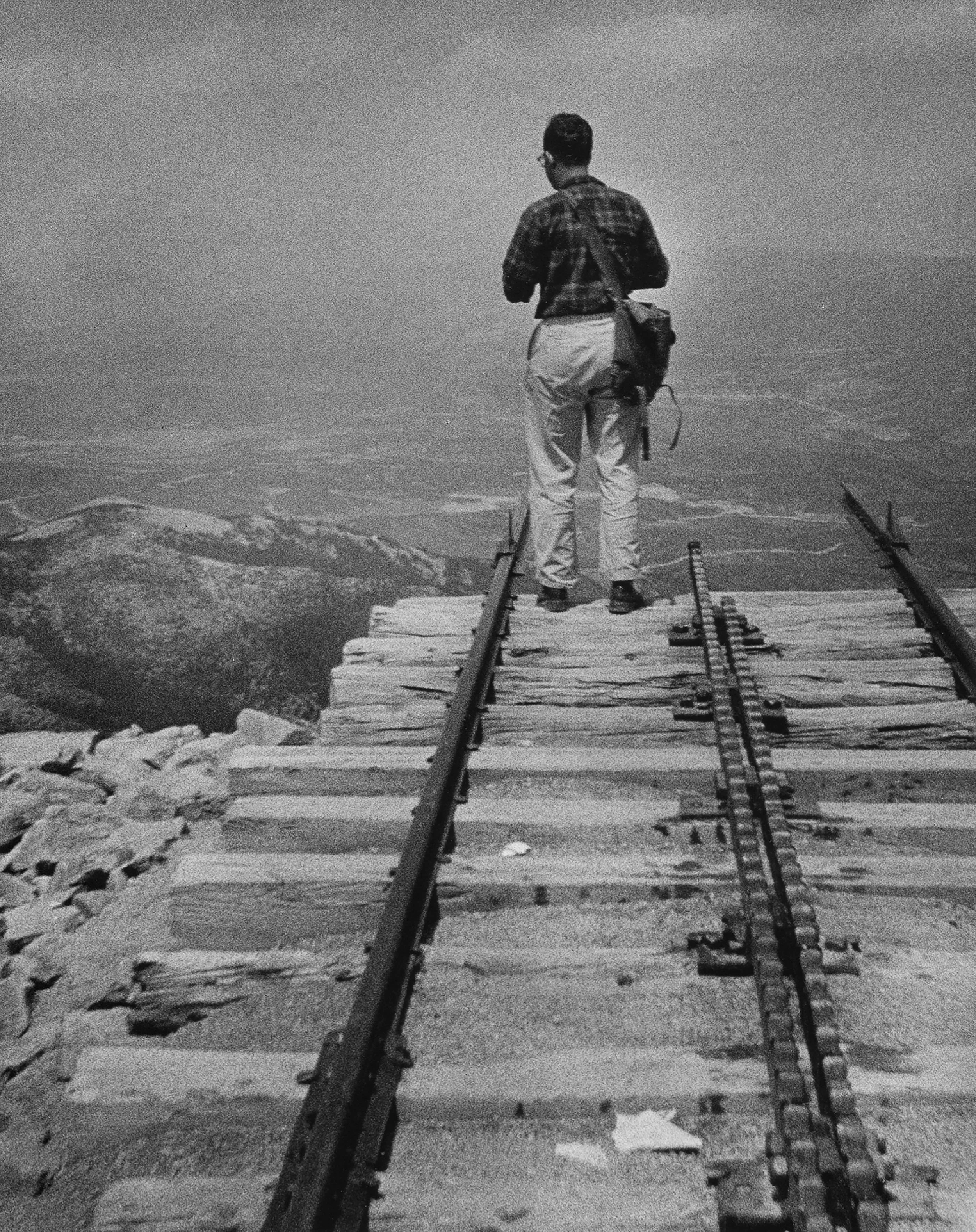
Pike’s Peak, Colorado © 2024 Stephen Rostand
In learning the art of photography, you begin to notice things you have not noticed before, and you gain a new way of seeing and feeling, a sense of freedom. Most of us are fully occupied with work and the activities of daily living; as a result, our minds are engaged with planning and organizing those activities to the exclusion of much else. We lead blinkered lives. Often when we are out and about, and despite the ubiquity of smartphone cameras, we are not fully aware of our surroundings even when they are familiar to us. We miss a lot. Too often we don’t realize how much we missed until we retire and have gained some free time. Having an avocation such as photography may improve one’s awareness.
As a young child, I had a Brownie box camera or equivalent that I used until I graduated from college at age 22. I did not own a sophisticated, complex 35mm Nikon camera until the age of 36, at the insistence of my father-in-law, a talented professional photographer. He taught me how to use the camera and introduced me to the magic of the darkroom, where I learned the exacting process of developing and printing photographs. Prior to that time, like most people, my photos were usually of family, friends, or outings, with no thought other than documenting the places or events.
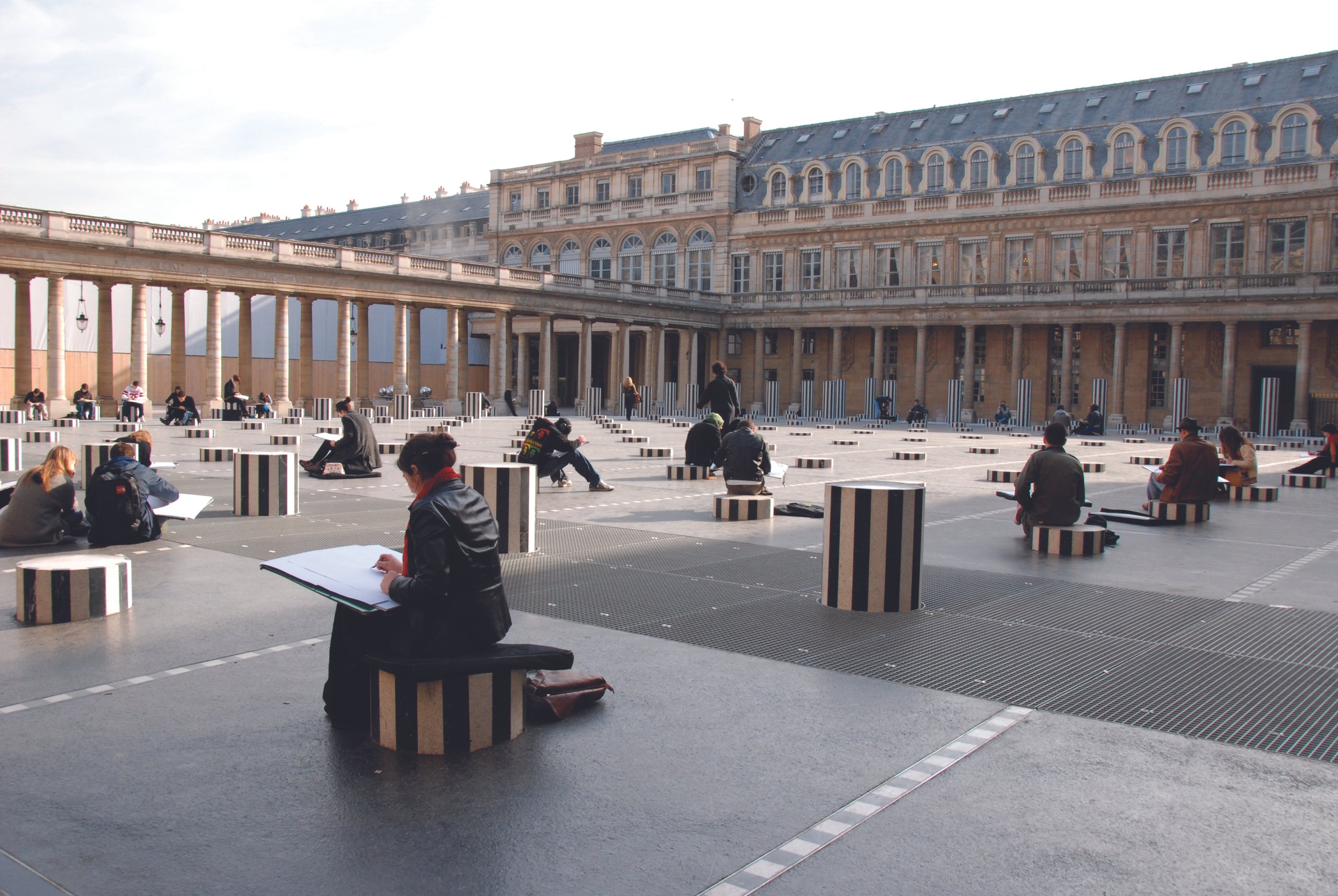
Art Class, Palais Royale, Paris, France © 2024 Stephen Rostand
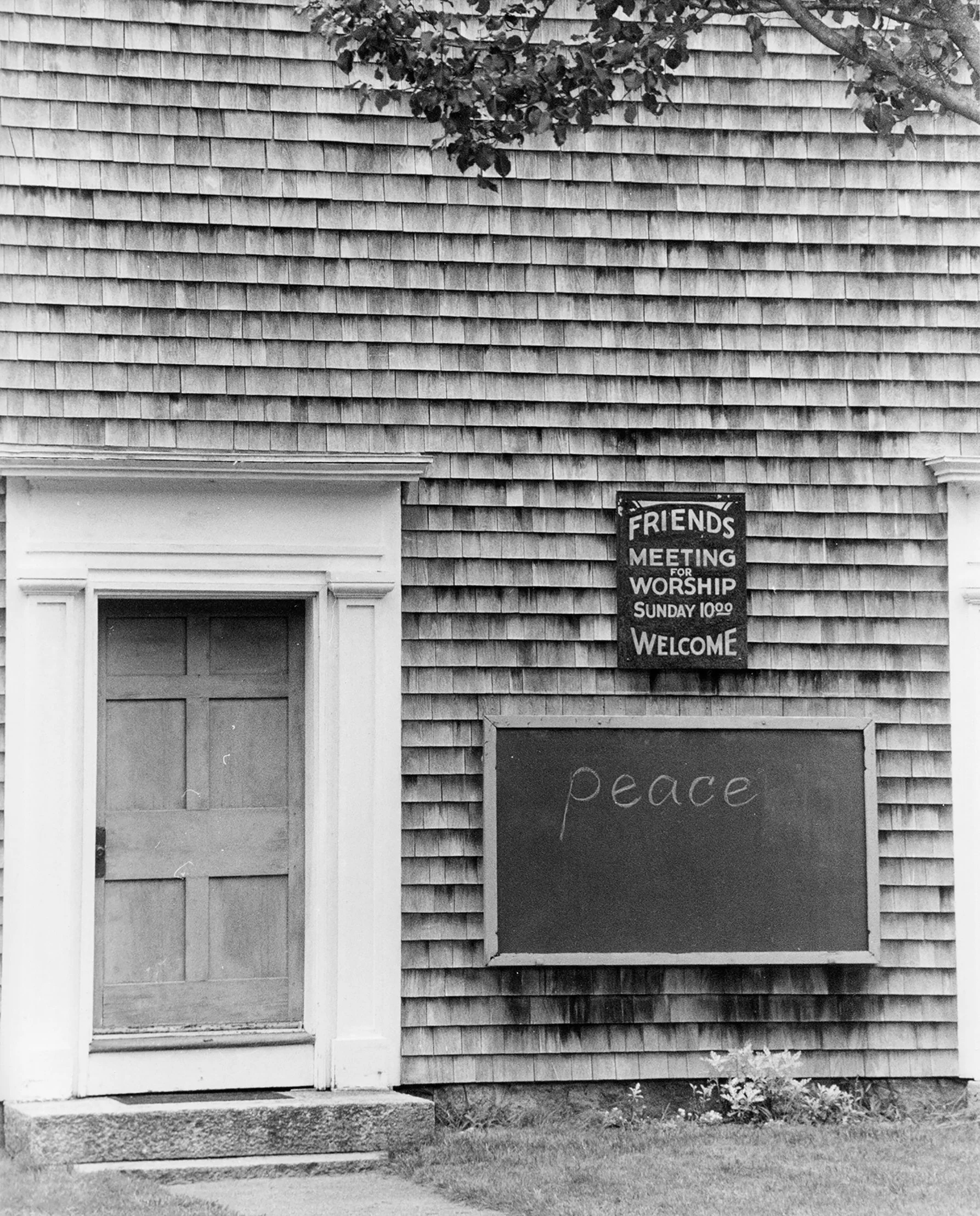
Friends Meeting House, Sippewissett, Massachusetts © 2024 Stephen Rostand
Perhaps the first thing I learned in preparing for a photo session was to clear my mind of all the worldly thoughts impinging on my brain. Having the right frame of mind is essential for any activity. Next, learning how to see is essential. You come to realize that you are not an integral part of the action, rather you should try to be an unobtrusive observer of the scene, although not necessarily a passive one. Finding a subject to photograph and deciding when to photograph it requires more than a snap judgement (snapshot). It requires careful observation of the scene in all directions, including looking up and down (even the sky can be important), before even selecting a subject, be it the whole scene or some activity within it. Being aware of your surroundings and your place in them is critically important. As I discovered, I prefer to show the theater of life and urban vistas rather than large landscapes.

The Book Mill, Montague, Massachusetts © 2024 Stephen Rostand
Making a photo is more than capturing what you look at, even though it seems like pointing a camera is just a passive touristy pursuit. It is more about how it makes you feel. I had to learn how to answer the dreaded but important question, “Why did you take that photo?” It definitely helps to know why. But it is not what you look at that’s important, rather it is what you actually see. The camera and the act of photography make you see better and make you more aware of the life about you.
The final photograph reveals much about the photographer. The subject of the photograph is the choice of the person taking the photo—whether a portrait, street scene, or landscape. The viewer is seeing what the photographer saw, through their eyes, interpreted by their brain. The photographer is revealing how they feel about the slice-of-life that they have uncovered—its humor, beauty, ordinariness, or grandeur. The photo, or a series of photos of different subjects, often can involve the photographer emotionally, for the process from shooting the picture to making the final print is not passive. It requires insight in choosing the precise moment to take the photo—what to include and emphasize—in order to show what the image means to the photographer. In this regard, the photo is personal and reflects the photographer’s viewpoint, biases, style, and artistic sense. Thus, the photograph is the photographer and, conversely, the photographer is the photograph. Each photograph or grouping of images reveals an aspect of the photographer’s personality, and together with any written notations that may accompany the photos (as I have included in my photography books) is the equivalent of a memoir, or portrait, of the photographer.
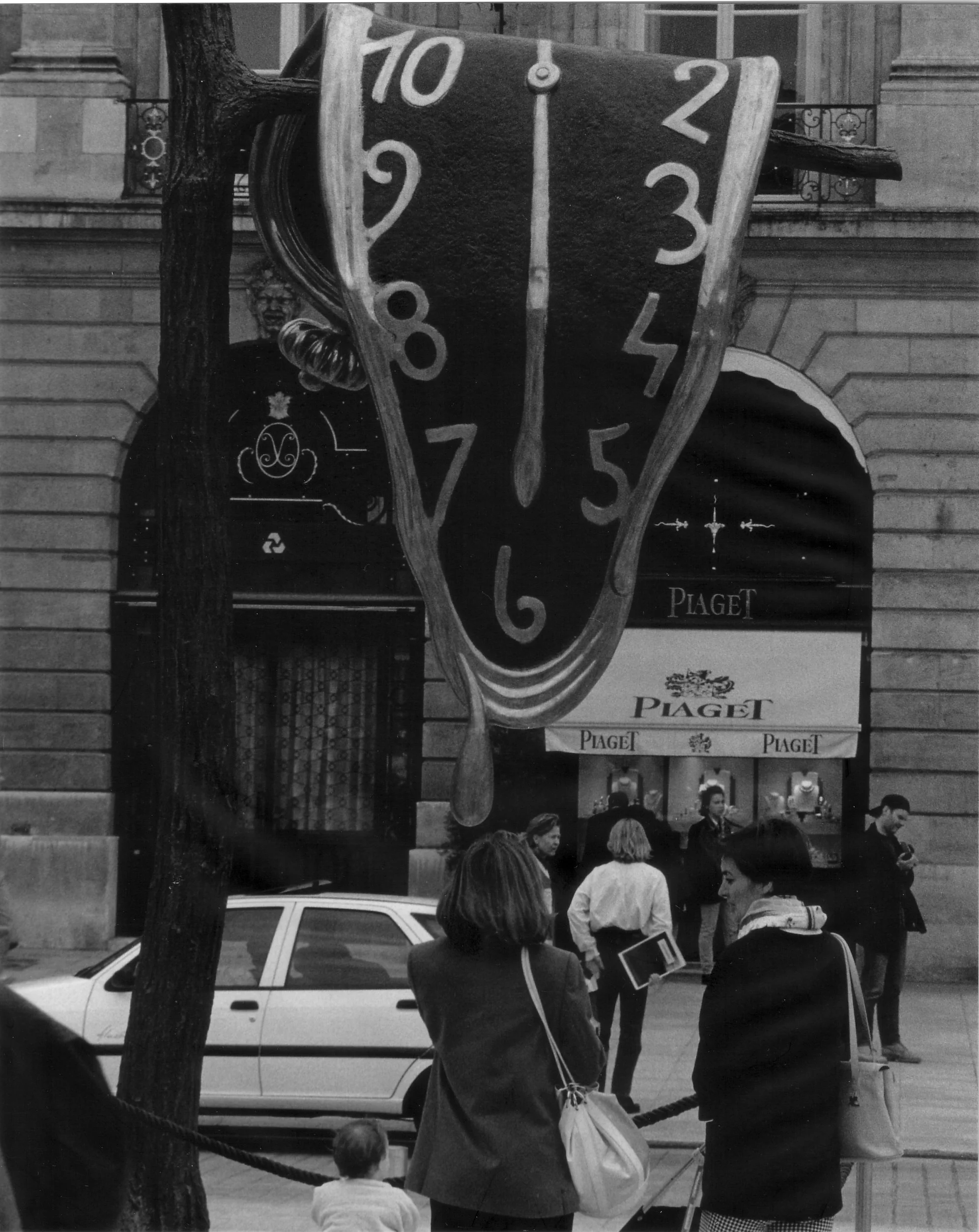
Place Vendôme, Paris, France © 2007 Stephen Rostand
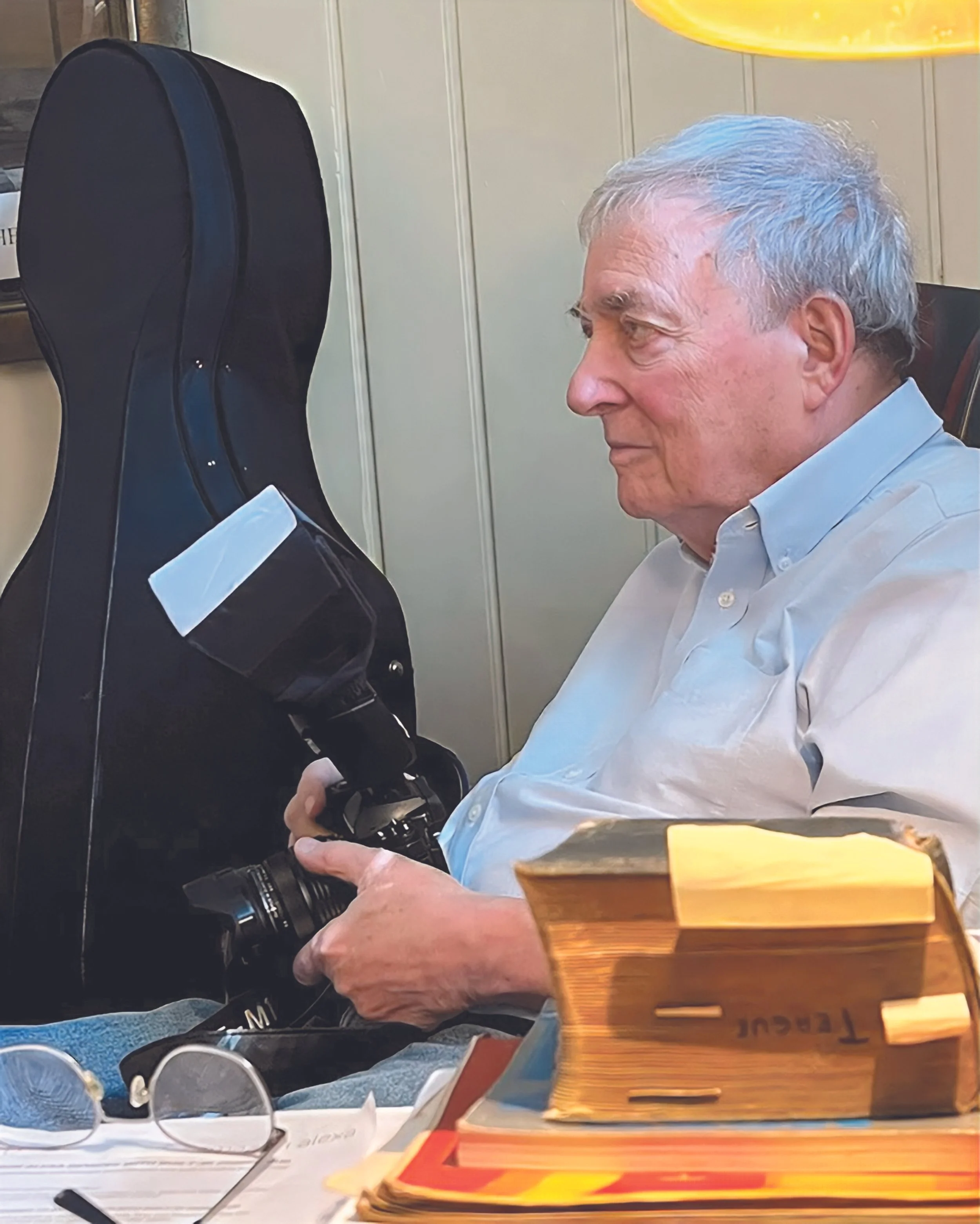
Author photo © 2024 Stephen Rostand
Stephen Rostand is Professor of Medicine, Emeritus at the University of Alabama at Birmingham. Born and raised in New York City and educated in Boston, he has been interested in photography since childhood. He has been an active photographer for the past sixty years, which has helped him see things from different perspectives and gain insights into people, the world, art, and himself.